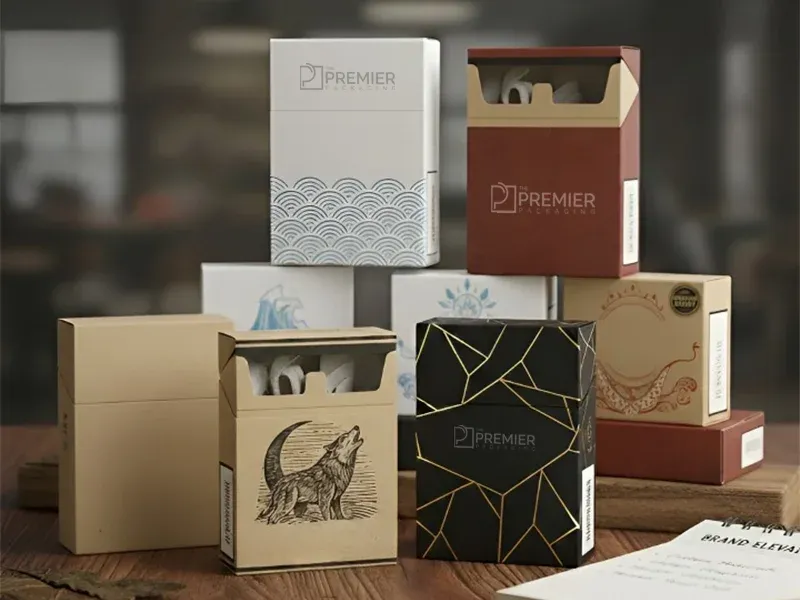



The U.S. packing market is experiencing a significant change. EPR laws are changing how companies handle packaging waste, recycling, and materials. What used to be seen as a municipal waste issue is now becoming a direct corporate responsibility.
More states are adopting sustainability policies. Food, retail, eCommerce, and manufacturing firms must rethink how they package and deliver products. The talk about packaging waste compliance has shifted from policy debate to real action in major markets like New York.
EPR laws do not simply constitute environmental policies. They represent a shift in how packaging is funded, managed, and controlled across the United States.
What Does Extended Producer Responsibility (EPR) Mean?
Extended Producer Responsibility is a policy. It moves the duty for dealing with post-consumer packaging waste from local governments to producers. Companies that launch packaging must help collect, recycle, or dispose of it.
Producers might need under EPR packaging regulations to:
- Registered packaging materials in trade.
- Pay charge per recyclability and material quantity.
- Enhance packaging to make it recyclable.
- Encourage recycling facilities in the entire state.
It aims to create a better packaging system. This system will reduce landfill waste and encourage recycling.
This solution would support a circular economy. In this model, packaging materials are reused or recycled instead of being thrown away.
The Case of EPR Growth in the United States
- The growth of EPR laws in the country is being facilitated by a number of factors:
- The increase in the amount of packaging waste with the growth of ECommerce.
- Raise in consumer demands of sustainable packaging.
- Stress on the municipal recycling systems.
- ESG and policy on climate.
The use of online shopping and food delivery systems has greatly contributed to the packaging use. More corrugated boxes, plastic wrap, insulated containers, and flexible packaging are now in the waste stream.
Policymakers are proposing packaging waste policies. These will require manufacturers to directly support recycling efforts.
The New York Outlook: A high profile market of packaging
New York is one of the major retail and distribution centers in the US. Packaging waste is a major concern for people. This is due to high population density, easy access to retail, and the rise of eCommerce.

Comprehensive packaging reforms have been debated by state legislature in order to:
- Increasing recycling rates
- Single-use plastics and their reduction.
- Promoting the sustainable design of packaging.
- Promoting environmental compliance specifications.
Due to the economic impact of New York, packaging laws that are implemented within the state tend to have an impact on national brands. Companies in New York should stay ahead of compliance changes to keep their market access.
Packaging providers, like Premier Packaging, must adapt to new regulations. These changes require flexible design solutions that meet both performance and sustainability needs.
Impact on the Food Industry
The food industry relies on protective packaging. It keeps food fresh, ensures safety, and extends shelf life. Nonetheless, packaging of food also is a significant issue of waste streams.
Food manufacturers are being pushed by EPR laws to take into consideration:
- Barrier packaging that can be recycled.
- Bio-packaged food containers.
- Reduced material thickness
- Layered designs known with simplicity.
There is a complicated problem of balancing food safety rules and environmental compliance. The packaging must be moisture resistant, temperature controlled, and free from contamination. It should also meet recyclability goals.
Food companies that take a proactive approach and modify packaging approaches could suffer less regulatory risk, and be aligned with consumer expectations of sustainability.
ECommerce and Retail Change
A high rate of packaging redesign is being done in retail industries and more so in cities such as New York City. Companies are looking at packaging performance due to direct-to-consumer shipping. They focus on both cost and sustainability.
EPR compliance affects:
- Shipping box dimensions
- Weight reduction of the material.
- Plastic filler reduction
- Efficiency of returns logistics.
The design of minimalist packaging is becoming popular. Businesses are streamlining the extra layers, getting rid of unnecessary inserts, and recyclable paper based materials.
These modifications do not only facilitate compliance but can also decrease the cost and space needs of shipping and warehouse space.
Operational and financial Implications
Extended Producer Responsibility comes with some fresh financial implications to business. Producers might have to pay fees on:
Businesses that utilize materials that cannot be recycled or ones that are difficult to recycle and process might have increased compliance expenses. This forms a motivation to have green packaging solutions.
- Total packaging volume
- Recyclability of the materials used in producing the products.
- Factors of environmental impact.
Operationally, the businesses should be made better:
- Packaging tracking systems
- Procedures of compliance reports.
- Cooperation with suppliers strategies.
- Transparency in source of materials.
The big companies are establishing sustainability units within their organizations to handle the packaging laws.
Competitive Advantage: Sustainable Packaging
Sustainable packaging can also be competitive although compliance may be viewed as an additional cost.
Advantages include:
- Improved brand reputation
- Better ESG performance indicators.
- Reduce waste management expenses in the long term.
- Enhanced customer trust

Shareholders are starting to judge business organizations in terms of environmental responsibility more and more. Corporate reporting and public disclosure standards have become sustainability in packaging.
Companies that invest early in eco-friendly recycling products and packaging can gain market credibility.
Design and new Packaging Materials
Companies are responding to the pressure to regulate and this has led to faster innovation. New packaging technology is being developed to improve performance and sustainability.
Emerging solutions include:
- Packaging made of one material to be recycled.
- Bio-based plastics
- Inks and coating made of water.
- Recycling instructions Smart labelling systems.
Optimization of the packaging structure and minimization of waste materials are also done using artificial intelligence.
Firms like The Premier Packaging focus on adaptive packaging design. They aim for scalable solutions that meet new compliance guidelines. They do this without sacrificing durability or brand image.
The Small and Medium Businesses are challenged by challenges
Not every business possesses equal resources to handle the changes in regulations. Small and mid-sized enterprises can experience difficulties in the following:
- High redesign costs
- Lack of access to materials that are sustainable.
- Complicated reporting specifications.
- Supply chain disruptions
Nevertheless, the opportunities of gradual adaptations to changes in the EPR proposal may be offered by phased implementation schedules.
The involvement of the manufacturers, recyclers and packaging designers will be necessary in getting a smooth transition.
Packaging Regulation in America
The number of states that have EPR laws will continue to increase in the coming decade. Packaging compliance might soon be the norm for businesses across the country. This change is driven by growing support for sustainability policies.
The future developments may encompass:
Drake, Greer, and Melton (2012) say that more openness in sourcing materials helps lower operational costs. This is mainly due to better efficiency in product design and production.
- Circular packaging system incentives.
- Tougher data reporting requirements.
The policy trend of New York will keep shaping the general trend in the industry, considering the economic importance of the state.
Firms that include sustainable packaging in their long-term plans will find it easier to handle regulations.
Conclusion
The United States is changing its packaging industry with new Extended Producer Responsibility laws. These regulations will promote sustainable packaging design, improve recycling, and boost environmental responsibility. They do this by shifting the waste management burden to producers.
Compliance is now a key focus for food manufacturers, retail brands, and logistics companies in big markets like New York. The process has some challenges, but businesses can succeed by being innovative and efficient.
As sustainability expectations rise, packaging is no longer just an extra part of operations. It will be key for meeting regulations, being environmentally responsible, and staying competitive in today’s U.S. economy.