

introduction
The luxury packaging industry is rapidly evolving. It’s not only a matter of looking costly in 2026. It’s all about being smart, sustainable and connected. Single-use packaging is becoming a thing of the past. The luxury brands are taking a fresh look at luxury, which is a mix of luxury materials, clever digital features and green considerations.
Luxury packaging is about more than customers. They want to know where products are made from and how. They also want an experience they don’t just want a box. This transformation is driving innovation from brands like never before.
Let’s delve into the world of smart packaging and eco-friendly materials in 2026, and how they are transforming the luxury packaging industry.Now, let’s dive into the world of smart packaging and sustainable materials in 2026, and how they are changing the luxury packaging industry.
Smart Packaging: A digital life for packaging boxes.
Packaging is no longer a lifeless object that ends up in the trash. It’s interactive and intelligent in 2026. Smart packaging is a packaging which is a simple box but has become a communication tool with digital technology.
QR Codes and 2D Barcodes
Today, QR codes are everywhere in luxury packaging. They can display the following when you scan them with your phone:
- Origin stories and brand history.
- Detailed information on ingredients/materials.
- How to recycle/reuse the packaging
- Video showing how to use and demonstrating.
The big change coming is GS1’s Sunrise 2027 initiative. Brands must be prepared to use the 2D barcodes by late 2026. These codes can be used to communicate distinct information to distinct individuals. Once the code is scanned by a retailer, they will see the logistics data. When a customer scans it, they get brand stories and product information.
Digital Product Passports
Digital Product Passports are becoming a major trend. These are similar to a digital ID card for your product. They exchange information on materials used, source of materials and environmental impact of the product.
This is being driven by European rules. The regulation on the ecodesign of sustainable products will mandate that brands disclose structured product information. This means the recyclability and carbon footprint details are included. According to some experts, Digital Product Passports will be the largest digital transformation in packaging.
This is ideal for luxury brands. It enhances the brand narrative and demonstrates to customers that you’re open and accountable. It also plays a crucial role in combating counterfeiting, which is a significant problem in the luxury goods sector.
The luxury concept of sustainable materials.Luxury that cares: Sustainable materials.
Today, sustainability is not an afterthought for luxury packaging. This is the basis of contemporary design. In 2026, luxury goes hand in hand with eco-friendliness.
The use of innovative materials: taking over.
Luxury brands are venturing into some fascinating new materials that are both high-quality and eco-friendly:
Advanced Papers: Humidity-resistant and luxurious treated and reinforced papers. They can be used in many different applications as an alternative to plastics and still have a high end appearance.
Biodegradable Polymers: PHBV are being developed for packaging. They are biodegradable and sustainable. They have decent barrier properties, protecting products from spoiling and are environmentally friendly.
Brands are being innovative with upcycled waste materials. The eggshells are being converted to calcium carbonate powder for use in packaging. Bio-resins replacing petroleum-based plastics are being developed using agricultural co-products such as wheat and rye.
Natural Fibers: New materials such as bamboo, mycelium and seaweed are making their debut in luxury packaging. They add distinctive textures and convey a message about sustainability and innovation.
Why can luxury brands lead?
The cost of sustainable materials is typically higher. They may be double or triple the cost of regular products. However, luxury brands can cover these expenses, since their items are sold at a higher price.
Luxury customers are also more likely to be interested in sustainability aspects. They want to understand that what they buy is not endanger the environment. And they’re willing to pay more for packaging that aligns with their values.
Lightweighting is a priority issue.
Another important trend is the reduction of material usage. Lightweight, PackLight™ packaging helps to reduce transportation expenses and carbon footprint. It’s a good deal for brands and the environment. Certain brands are reducing material consumption by more than 50% and retaining the premium feel.
In a world dominated by the Internet, what is the point of the Unboxing Experience?
Despite the luxury packaging’s sustainability and smart features, unboxing remains a key moment in the packaging experience. Experience continues to be vital, but changing in 2026.
Premium Construction Matters
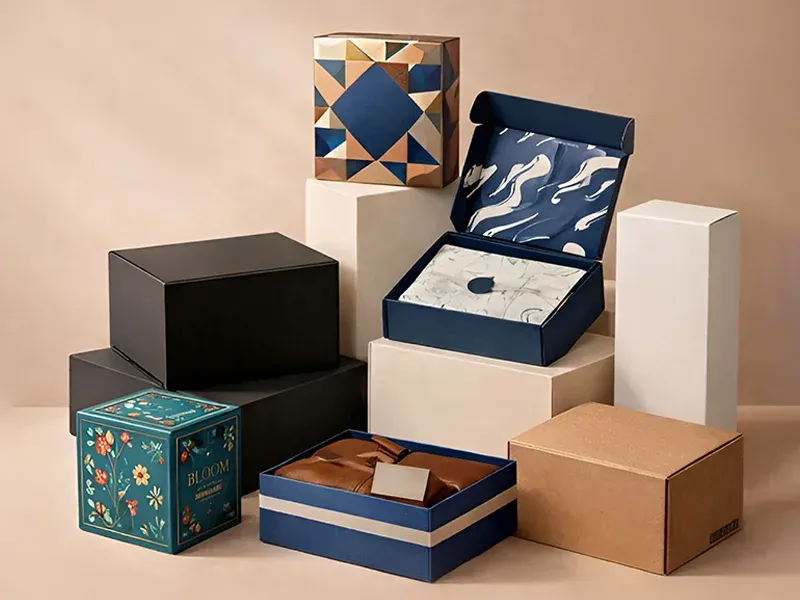
Rigid gift boxes are the benchmark of luxury gift boxes. They employ thick chipboard with a heavy feel and quality. The weight and build immediately indicate that the item’s contents are worth something.
Matte lamination, soft touch, foil stamping and embossing are some finishes to add to the sensory experience. All of this makes the packaging memorable and worthwhile.
To create custom inserts and accessories.
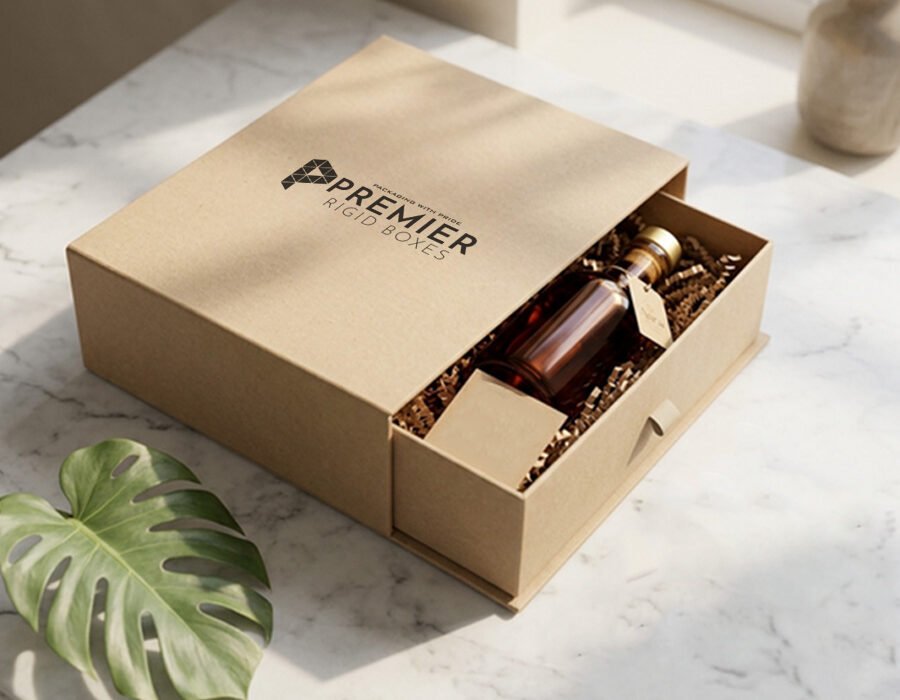
Custom packages are now part of luxury packaging to keep products in place. Foam, EVA or die-cut cardboard inserts hold the items secure and contribute to the luxury feeling. The experience is rounded off with ribbon pulls, tissue paper and thank-you cards.
These are some finishing details you can add to the unboxing when ordering custom rigid gift boxes wholesale to make it memorable. That is why many brands spend a lot of money on their packaging presentation.
Magnetic Closures
The magnetic closure is a hallmark of high-end packaging. When a box is closed with a satisfying click, it’s a sign of quality and attention to detail. A small thing, a big effect!
Create designs that combine style and sustainability.
Luxury packaging design is striking the right balance between luxury and sustainability in 2026. Brands are testing you don’t need to sacrifice one for the other.
Minimalist Design
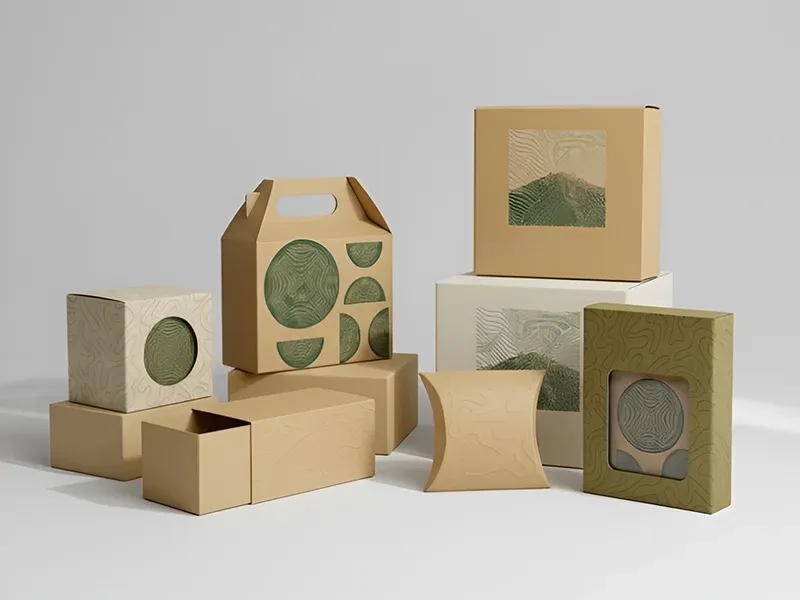
Clean and simple designs are on trend. They allowed the materials to convey their message. Not too much of a glossy, overdone design, natural textures and matte finishes are better.
Mono-Material Solutions
Brands are transitioning to mono-material solutions rather than relying on multiple materials that are difficult to recycle. They are made of a single type of material and can be easily recycled. The difficulty is making them feel top quality yet easy to make.
The 4-Second Rule
There are still approximately 4 seconds to attract attention to a shelf. The best packaging in 2026 features sleek aesthetics and subtle details that hint at the product’s high quality. Loudness is not the issue. It’s about being refined .
Conclusion
2026 will be a turning point in luxury packaging. Well, the revolution has come and it’s all about smart features and sustainable materials.
Smart packaging puts customers in touch with brands in innovative ways. A communication tool: QR codes, Digital Product Passports, and interactive features. This is a great way to gain trust and loyalty, and it gives information!
Going sustainable is no longer a trade-off. They’re the new standard. Advanced papers, biodegradable polymers and up-cycled materials are not just environmentally friendly, but also look luxurious.
By selecting custom rigid gift boxes wholesale with these innovations, you’re investing in your brand’s future. The right packaging communicates your message, establishes brand credibility, and makes memorable experiences.
Luxury packaging is here today, and it’s the future. Smart, sustainable and even better looking than ever! Brands that adopt this revolution will become the leaders in 2026 and the future.