

You could have the most beautiful plates, bowls, or glassware on the market but if the packaging looks cheap or the product arrives broken, none of that matters. Packaging is the first thing a buyer touches. It shapes their opinion before they even see what’s inside.
That’s exactly why custom tableware boxes have become a top priority for brands in 2026. The right box doesn’t just protect fragile items. It tells a story, builds trust, and turns a one-time buyer into a repeat customer.
This guide covers everything you need from design ideas and materials to real costs and the best suppliers. Whether you run a small ceramics business or manage a large homeware brand, you’ll find practical answers here.
Why Packaging Matters More Than Ever for Tableware
Tableware is fragile. Plates crack. Glasses shatter. Mugs chip. Without solid packaging, you’re gambling with every shipment.
But protection is only half the picture. Here’s what great packaging actually does for your business:
- Reduces returns and refunds. Damaged items are the number one reason buyers send products back. Strong, well-fitted packaging cuts that problem dramatically.
- Creates a premium unboxing experience. Social media is full of unboxing videos. Eye-catching packaging earns free exposure when customers share their experience online.
- Builds brand recognition. A plain brown box is forgettable. A printed box with your logo, colors, and design language makes your brand stick in people’s minds.
- Justifies higher prices. Buyers expect premium packaging when they pay premium prices. A beautifully presented dinner set feels worth more than the same set in a generic carton.
Think about the last time you received something in stunning packaging. You probably remember the brand. That’s the power of getting this right.
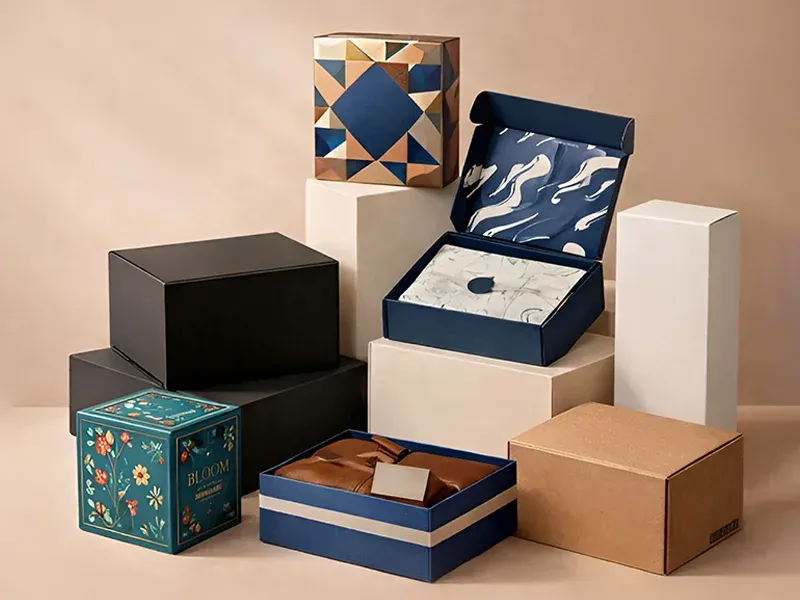
Popular Packaging Styles for Plates, Bowls & Glassware
Not every tableware item needs the same type of box. The shape, weight, and fragility of the product should guide your choice.
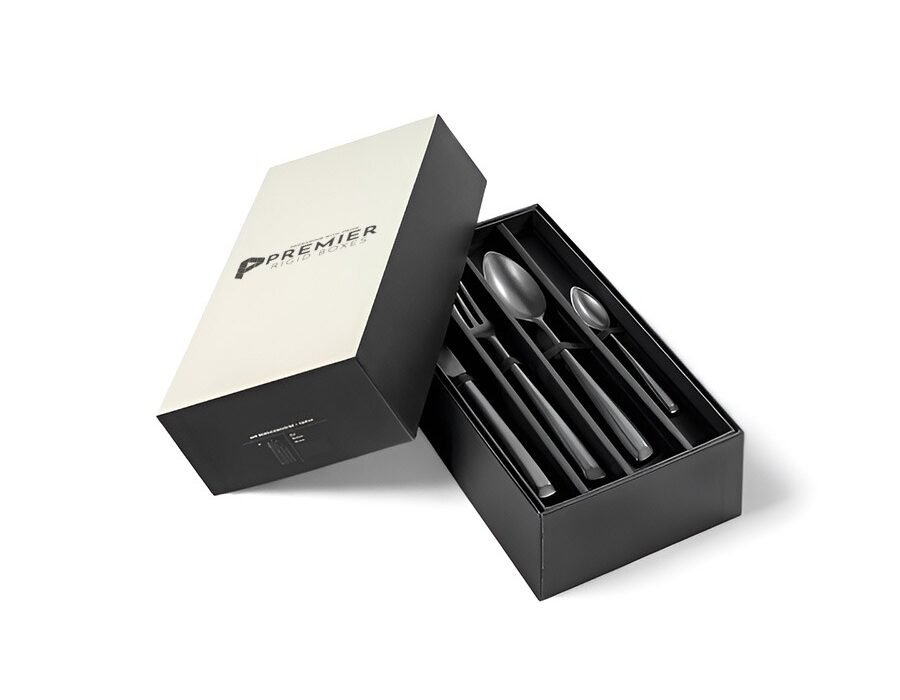
Rigid Setup Boxes
These are the luxury option. Thick, sturdy walls with a separate lid that lifts off cleanly. They feel expensive in your hands.
- Perfect for premium dinner sets, fine china, and gift collections
- Can be wrapped in textured paper, linen, or soft-touch finishes
- Excellent for high-end brands that want a “wow” moment at unboxing
- Higher cost per unit, so best for products with strong profit margins
Corrugated Mailer Boxes
The practical workhorse of tableware shipping. Made from fluted cardboard, these boxes absorb impact well and keep costs low.
- Great for everyday dishware, mugs, and casual dining sets
- Available in single-wall, double-wall, and triple-wall strengths
- Easy to print on with flexographic or digital methods
- Ideal for ecommerce sellers who ship in high volume
Folding Carton Boxes
Lightweight and flat until assembled. These are made from paperboard and work well for lighter items or retail shelf display.
- Clean, smooth surface that prints beautifully
- Best for bowls, small plates, and lighter accessories
- Space-efficient for storage they ship flat and fold into shape
- Common in retail environments like department stores and gift shops
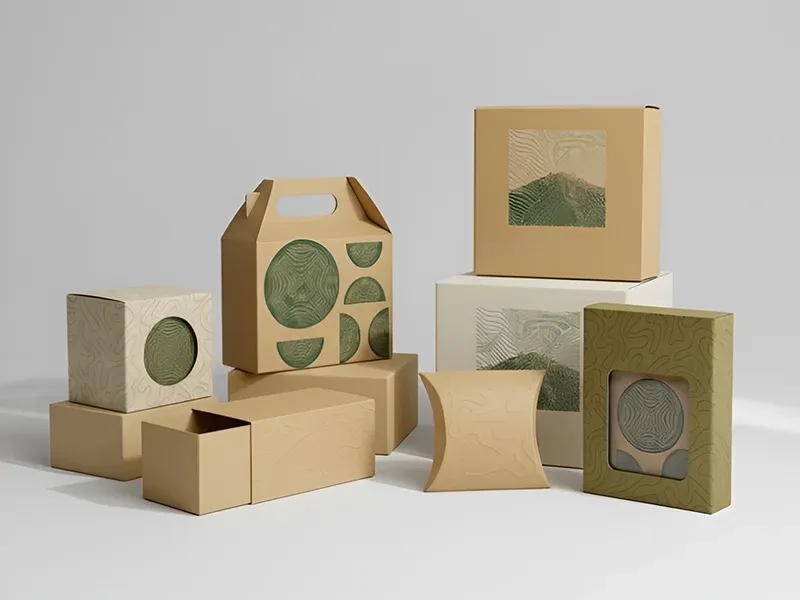
Window Display Boxes
These feature a clear cutout panel so the buyer can see the product without opening the package. Very effective at retail and on social media.
- Builds buyer confidence they see exactly what they’re getting
- Works well for decorative plates, painted mugs, and artisan pieces
- The window can be covered with clear PET film or left open
- Adds visual appeal on store shelves and in promotional photos
Drawer-Style Sliding Boxes
A box with a tray that slides out like a drawer. Feels interactive and premium.
- Creates a memorable unboxing experience
- Great for gifting wedding favors, corporate gifts, holiday sets
- Pairs well with ribbon pulls or branded tape
- Higher production cost but strong perceived value
Materials That Protect and Impress
The material you pick affects durability, appearance, printing quality, and price. Here’s a simple comparison.
Kraft Cardboard
Natural brown finish with an earthy, organic feel. Very popular with eco-conscious brands and handmade pottery sellers.
- Recyclable and biodegradable
- Affordable in bulk
- Pairs well with minimalist branding and stamped logos
- Available in various thicknesses for different weight needs
White Coated Paperboard
Smooth, bright white surface that makes printed colors pop. This is the standard for retail packaging.
- Sharp, clean printing results
- Professional appearance out of the box
- Lightweight but strong enough for most tableware
- Works with glossy, matte, or soft-touch lamination
Corrugated Fluted Board
Built for shipping strength. The wavy inner layer absorbs shocks and distributes pressure.
- Best crush resistance of all options
- Available in E-flute (thin, smooth) and B-flute (thicker, stronger)
- E-flute is ideal for printed retail boxes
- B-flute or BC-flute works better for heavy stoneware and cast iron pieces
Rigid Chipboard
Dense, thick board used in luxury packaging. Often wrapped in printed paper or specialty finishes.
- Feels substantial and high-end
- Holds its shape permanently no sagging or warping
- Best for gift sets and collector’s editions
- Most expensive material option
Design Ideas That Actually Drive Sales
Good design isn’t about being fancy. It’s about being clear, appealing, and on-brand. Here are ideas that work across price points.
Keep It Clean and Simple
White space sells. A cluttered box with too many fonts, colors, and graphics looks cheap. A clean layout with one or two colors and a well-placed logo looks expensive.
Use Color Psychology
- White and cream — purity, elegance, minimalism
- Navy and dark green — trust, quality, tradition
- Warm earth tones — handmade, artisan, organic
- Black and gold — luxury, exclusivity, premium
Pick colors that match your brand personality and the emotions you want buyers to feel.
Add Texture
A flat printed box is fine. A box with embossed lettering, debossed patterns, or a soft-touch coating is memorable. These tactile details make people pause, touch, and appreciate the packaging.
Tell Your Story Inside
Print a short brand message, care instructions, or a thank-you note on the inside of the lid. This unexpected detail delights customers and encourages social sharing.
Include Practical Info
Don’t forget the basics on the outside of the box:
- Product name and description
- Material composition (ceramic, glass, porite, etc.)
- Piece count (e.g., “Set of 4 dinner plates”)
- Care instructions (dishwasher safe, microwave safe, hand wash only)
- Country of origin
- Barcode or QR code linking to your website
Inner Packaging: Keeping Fragile Items Safe
The outer box is only half the battle. What’s inside matters just as much maybe more.
Foam Inserts
Custom-cut foam cradles hold each piece in a fixed position. Nothing shifts or touches during transit.
- Best protection available for fragile ceramics and glassware
- Can be die-cut to match exact product shapes
- Reusable by the customer for storage
- Higher cost, best for premium product lines
Molded Pulp Trays
Made from recycled paper pulp, these trays are shaped to hold plates, cups, or bowls snugly.
- Fully recyclable and compostable
- Lower cost than foam
- Good shock absorption
- Common in mid-range tableware brands
Corrugated Dividers
Simple cardboard partitions that separate items inside the box. Think of the dividers in a wine box — same idea.
- Very affordable
- Easy to customize for different item counts
- Prevent pieces from knocking into each other
- Best for sets of mugs, glasses, or small bowls
Tissue Paper and Kraft Wrapping
Individual wrapping adds a layer of scratch protection and an upscale feel.
- Prevents surface scuffing on glazed and painted finishes
- Adds to the unboxing ritual
- Low cost per unit
- Can be printed with your logo or pattern for brand consistency
Real Cost Breakdown for 2026
Pricing depends on material, size, print method, quantity, and finish. Here’s a realistic range based on current market rates.
| Box Type | Quantity | Estimated Cost Per Unit |
| Kraft mailer box (basic print) | 500 | $0.45 – $0.80 |
| Corrugated box (full-color print) | 500 | $0.70 – $1.50 |
| Folding carton (retail ready) | 1,000 | $0.50 – $1.20 |
| Rigid setup box (luxury finish) | 500 | $2.50 – $6.00 |
| Window display box | 500 | $0.80 – $1.80 |
| Drawer-style box | 500 | $2.00 – $5.00 |
What Drives the Price Up
- Smaller order quantities. Ordering 100 boxes costs far more per piece than ordering 2,000.
- Special finishes. Foil stamping, embossing, spot UV, and soft-touch lamination each add $0.10 to $0.50 per unit.
- Complex die-cuts. Windows, inserts, and unusual shapes require custom tooling, which has a one-time setup fee (typically $100 to $500).
- Faster turnaround. Rush orders can increase costs by 20% to 40%.
How to Save Money Without Cutting Corners
- Order in larger quantities when cash flow allows
- Use standard sizes instead of fully custom dimensions
- Choose one or two print colors instead of full CMYK
- Skip unnecessary finishes on shipping-only boxes (save the fancy stuff for retail packaging)
- Request samples before committing to a large order fixing mistakes after production is expensive
Top Suppliers Worth Contacting in 2026
Finding the right packaging partner can make or break your product presentation. Here are reliable options across different budgets and needs.
For Small Businesses and Startups
- Packlane — Low minimum orders (as few as 10 boxes), online design tool, fast turnaround
- Arka — Eco-friendly options, no minimum order, competitive pricing for small runs
- noissue — Sustainable packaging with compostable and recycled materials, great for artisan brands
For Mid-Size Brands
- PakFactory — Full custom structural design, prototyping services, dedicated account managers
- The Custom Boxes — Wide range of styles, affordable pricing, bulk discounts
- BoxUp — Specializes in food-safe and homeware packaging, strong quality control
For Large-Scale Operations
- Uline — Massive inventory, next-day shipping on stock items, volume pricing
- International Paper — Industrial-scale production, global supply chain
- WestRock — End-to-end packaging solutions, sustainable sourcing, design engineering teams
Overseas Manufacturing
Many brands source packaging from manufacturers in China, India, or Vietnam for lower per-unit costs. If you go this route:
- Always request physical samples before placing a bulk order
- Clarify shipping terms (FOB, CIF, DDP) to avoid surprise costs
- Factor in lead times of 4 to 8 weeks for production plus international shipping
- Use platforms like Alibaba or Global Sources to find verified suppliers
- Consider working with a sourcing agent if you’re new to importing
Eco-Friendly Packaging Trends in 2026
Sustainability isn’t a buzzword anymore it’s a buying decision. More consumers actively choose brands that minimize waste.
- Plant-based inks replace petroleum-based options and reduce chemical runoff
- FSC-certified cardboard guarantees the paper comes from responsibly managed forests
- Water-based coatings provide surface protection without plastic lamination
- Plastic-free tape and adhesives complete the fully recyclable package
- Reusable packaging designs encourage customers to repurpose the box for storage, which extends your brand’s presence in their home
Adding a small “how to recycle this box” note on the packaging shows buyers you care — and it costs nothing extra.
Mistakes That Cost You Customers
Learn from other sellers’ expensive lessons:
- Skipping the drop test. Always drop a packed sample from waist height onto a hard floor. If anything breaks, your packaging isn’t strong enough.
- Ignoring dimensional weight pricing. Carriers charge by size or weight whichever is greater. An oversized box with empty space inside costs more to ship than a snug-fitting one.
- Using generic stock boxes for premium products. A $60 handmade ceramic bowl in a plain brown box feels like a $15 product. Packaging sets price expectations.
- Forgetting about retail requirements. If you sell through stores, your packaging may need barcodes, specific label placements, or particular box dimensions. Ask retailers for their specs before printing.
- Not planning for seasonal spikes. Order packaging well before the holiday season. Suppliers get backed up in October and November, and rush fees add up fast.
Quick Checklist Before You Order
Before placing your next packaging order, run through this list:
- Does the box fit your product snugly with room for inner padding?
- Is the material strong enough for the weight of your heaviest item?
- Does the design match your brand identity and target audience?
- Have you requested and approved a physical sample?
- Are all required product details printed on the box (barcode, care info, piece count)?
- Does the packaging meet any retail partner requirements?
- Have you compared quotes from at least three suppliers?
- Is the packaging easy to assemble for your packing team?
- Does the unboxing experience feel worth the product’s price?
If you can check every box on this list, you’re ready to order with confidence.
Final Thoughts
Great tableware deserves great packaging. It’s not just a box it’s your brand’s handshake with every customer. The right combination of material, design, and inner protection keeps products safe, makes buyers feel special, and gives your brand a professional edge that competitors notice.
Start with your product’s needs. Match the packaging to your price point. Find a supplier you trust. Test everything before you scale. And remember every detail matters, from the thickness of the cardboard to the message printed inside the lid.
When the packaging is right, the product sells itself.