


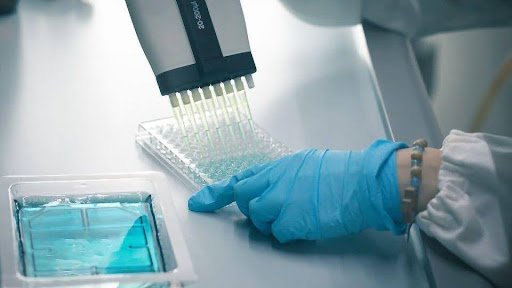
Biopharmaceutical development requires specific, highly accurate methods to identify and measure target therapeutic molecules within complex biological samples. Scientists analyze serum, plasma, and cell cultures containing various endogenous compounds that interfere with standard chemical measurements. To achieve reliable identification, laboratories utilize enzyme-linked immunosorbent assay variants to preserve regulatory compliance and scientific precision. This method provides the required sensitivity, throughput, and operational consistency needed to support investigational drug filings and preclinical evaluations across global research markets.
The Core Mechanics of Biopharmaceutical Immunoassays
The modern ELISA Method relies on highly specific interactions between fixed target antigens and selective matching antibodies. This reaction occurs on the surface of a microplate well to isolate target proteins from complex biological matrix mixtures. An enzyme conjugated to a detection antibody then binds to the captured macromolecular target complex. Analysts add an appropriate chromogenic substrate to initiate a measurable color transformation within the container.
Advanced optical instruments measure changes in absorbance to quantify target concentrations within standard linear ranges. Researchers often integrate this method alongside liquid chromatography-mass spectrometry to obtain independent molecular confirmations as part of study protocols. Combining these methods ensures complete data coverage for large molecule diagnostics and therapeutic monitoring operations.
Essential Functions in Large Molecule Drug Discovery
Modern therapeutics require extensive laboratory validation before advancing to clinical trial programs. An automated ELISA immunoassay serves multiple functional roles during early discovery and lead candidate selection phases.
The primary applications in early drug development include the following selective analytical processes:
- Screening large antibody libraries to discover active binders against targeted disease cell receptors.
- Measuring binding affinities to select stable molecular structures during humanization protocols.
- Quantifying protein expression across various expression platforms to optimize manufacturing yields.
- Determining target binding specificity to avoid cross-reactions with non-targeted physiological proteins. These initial screening steps help research scientists select optimal molecular leads for subsequent cell evaluations.
Biologists also combine these immunoassay procedures with a cell-based assay to verify therapeutic efficacy. For instance, cell-based functional assays measure biological responses following specific candidate antibody receptor binding events. Furthermore, cell-based screening assays monitor changes in cell viability across hundreds of potential candidate drug variations.
Applications in Pharmacokinetics and Toxicological Evaluation
Accurate pharmacokinetic studies depend on measuring how drug concentrations fluctuate inside living systems over time. A specialized Bioanalytical Laboratory utilizes targeted microplate assays to document small changes in serum molecule levels. This data helps establish human dose profiles during early safety and tolerability profiling.
Toxicological evaluations similarly require sensitive systems to document subtle therapeutic responses within systemic animal tissues. An ELISA analysis measures compound exposures to establish safety margins and identify potential risks of toxic biological accumulation. These platforms provide highly reproducible data across repeated study runs to support successful regulatory audit protocols.
The Growing Role of High-Throughput Biomarker Profiling
Biopharmaceutical programs increasingly rely on disease biomarkers to evaluate therapeutic response. Unlike traditional ELISA methods that measure a single target, multiplexed ELISA can analyze multiple biomarkers in a single sample, providing a more comprehensive view of biological activity.
Key benefits include:
- Reducing sample volume requirements, preserving valuable specimens.
- Lowering reagent consumption and overall study costs.
- Generating more data per run, improving project timelines.
- Enabling simultaneous profiling of multiple cytokines and biomarkers.
This approach helps researchers monitor disease progression, detect early signals of drug efficacy, and build stronger safety and efficacy profiles during drug development.
Must Read: qPCR Assays in Pharmaceutical and Drug Development Research
Regulatory Compliance and Data Integrity Standards
Regulated laboratory studies require fully validated analytical methods that meet strict institutional data quality expectations. A professional ELISA lab operates under strict Good Laboratory Practice guidelines to support formal regulatory review.
Key validation parameters checked during laboratory assay qualifications include:
- Confirming standard linearity across expected clinical and preclinical therapeutic range boundaries.
- Determining strict detection limits to establish the lowest reliably quantifiable limits.
- Documenting batch precision to ensure identical analytical performance across multiple laboratory operators.
- Testing matrix selectivity to confirm zero interference from common endogenous plasma lipid components. Rigorous control of these technical variables protects study data from unexpected regulatory validation failures.
Maintaining complete documentation during assay validation provides the necessary assurance for final drug application dossiers. Pharmaceutical developers rely on these validated setups to generate reproducible study data that withstand international audit scrutiny.
Choosing the Right Bioanalytical Services
Developing complex biological assays requires specialized expertise, advanced equipment, and significant time. Partnering with experienced bioanalytical service providers helps biopharmaceutical companies accelerate study timelines while maintaining high data quality. Contract laboratories offer validated assay methods, automated technologies, and regulatory-compliant processes, reducing the need for costly in-house infrastructure. Their expertise in immunoassays and complex matrix analysis also helps identify potential assay challenges early, allowing research teams to focus on core drug discovery and development activities.
Conclusion
Microplate immunoassays remain fundamental tools within biopharmaceutical development due to their high specificity and efficiency. An ELISA service provides the exact quantification necessary to support pharmacokinetic modeling, toxicological profiling, and biomarker tracking. The methodology adapts easily to automated high-throughput workflows, ensuring rapid sample processing during critical clinical phases. By choosing validated platforms, research organizations obtain reliable data that satisfies strict global regulatory expectations. Ultimately, these assays provide the scientific evidence required to successfully bring safe biological therapeutics to clinical markets.