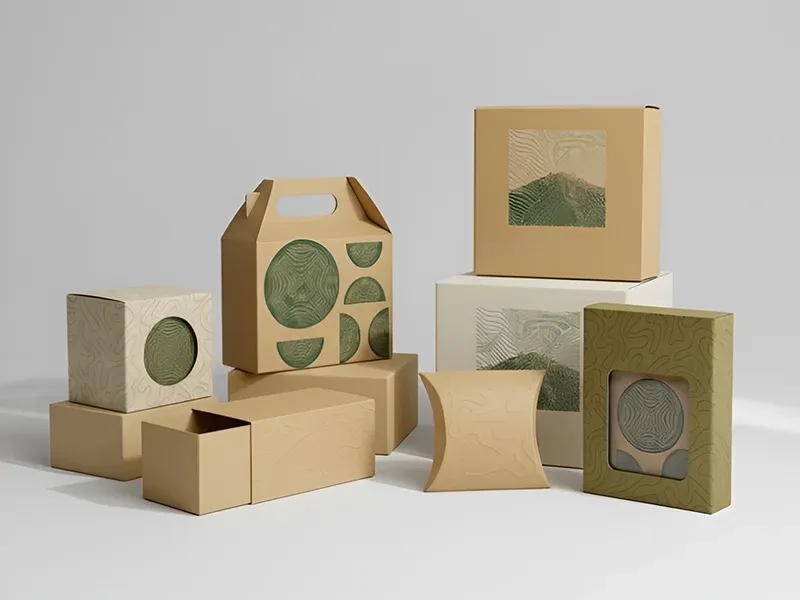


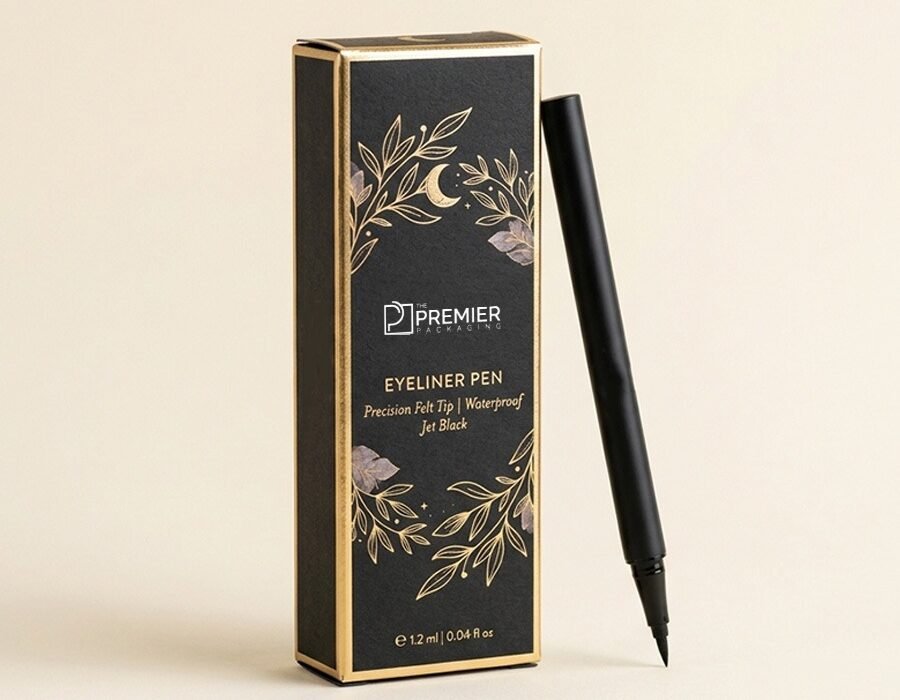
Beauty buyers today desire two things that seem at odds. They expect packaging to be thoughtfully designed and truly high-quality and eco-friendly. This is a more difficult task if the cosmetic is in a small carton, because there are some real limitations to the format. Yes, but mostly, and a few authentic restrictions that are worth being aware of. This is where the two goals come together and where they don’t.
The Small Format has Real advantages.
Always begin with the positive news, a point that is sometimes forgotten. The amount of material required for the small cosmetic boxes is minimal.
Eyeliner box is among the smallest parts of a beauty range. It’s not that it takes much board when compared to nearly anything else on a shelf. This means it has a low baseline cost, and increases are possible and attainable.
Small formats begin ahead of time since they involve:
- Small board per unit.
- Low packing weight.
- Small shelf space and a small transit footprint.
The initial situation is good. The question is, what do you do after that?
Board Choice does most of the work!
You will need to make one big decision: your material. Basically, the material the box is constructed from is more important than anything else you can pick.
FSC-certified board is sourced from responsibly managed forests, and recycled content is another great choice. Neither compromises appearance. The finished FSC board carton is just as good as a premium carton made on uncertified stock. Certification is not about the finish; it’s about forestry.
The following materials are considered responsible materials:
- Board from forests managed according to FSC.
- Where applicable, recycled content.
- Uncoated stock for a natural feel.
The one change that has the most impact and the least negative impact. It’s the obvious inception for any brand.
The tension of finishes lies on the outside.
So on to the tough part. Admittedly, some high-end finishes make it hard to recycle, but it’s better to be honest about it than to lie.
Plastic lamination refers to the application of a film onto the board that can hinder recycling. Foil stamping is a process that applies a metallic material to a paper product. These are the finishes that are most likely to convey “luxury” on a small carton; that’s why the tension is real.
The finishes that do cause problems are:
- Plastic laminated to the board.
- A foil that is applied at a large scale.
- Inks with a high pigment content.
No one should assert that this tradeoff does not exist. Other good options exist, however!
High Quality Reusables That Recycle Better!
This is the real solution! There are several finishes that will make for a high-quality finish without the hassle of recycling.
Water-based coatings help to keep the surface intact and provide a smooth matte or satin finish. With Embossing and Debossing, texture and depth are added by pressing, but no material is applied. There are a number of soy- and vegetable-based inks readily available. A good print will make a better impression than a laminated board in terms of being thoughtfully considered.
Better-performing options include:
- Use of water-based coatings rather than film.
- Texture embossing without foil.
- Soy or vegetable-based inks.
This one is definitely the embossing. It looks like a costly process, but it is less expensive than foil stamping and requires no additional steps later.
Right-Sizing Helps Twice
This change saves material and money simultaneously and is easy to justify.
An oversized carton wastes more board, is more expensive to ship, and is an obvious waste to end consumers who see this. A box that measures just the space required for the product can reduce the amount of material used and enhance the product’s “hand feel” in the box.
Right-sizing delivers:
- Less board used per unit.
- Reduce shipment weight and cost.
- A more expensive, tighter fit.
In this one, there really isn’t a compromise either. It’s just that it enhances both simultaneously.
The True Boundaries are located.
It’s important to be candid about your limitations, rather than pretending you are perfect. There are a few bones to pick about small cosmetic packaging.
Even if an item can be recycled, very small parts may be hard to recycle in practice due to the sorting challenges. Things get more complicated when you have to work with mixed materials. Safety and ingredient information require space, and you can’t go too far with reducing the space used in the print area.
Genuine constraints include:
- Difficulty in separating small objects.- Problems with separating small objects.
- Recycling difficulties because of mixed materials.
- Text that is required and must be printed on some space.
Being honest about this will help foster trust more than going over the top about what your packaging does.
Speak Only the Truth
It’s the thing that guards your brand. Vague environmental claims are a source of growing consumer doubt, and it’s not for nothing.
State exactly what you’ve done. An FSC-certified board is a claim that can be verified. The term “eco-friendly” unqualified is not and raises suspicion. Saying that part of your packaging can’t be recycled is much cheaper than getting caught out later because of that.
Honest claims are:
- Be specific about what was changed.
- Verifiable through certification.
- Be aware of still-existing restrictions.
It’s better to say less than you mean than to say more. Its accuracy is always valued over ambition by buyers.
Final Thoughts
Can eyeliner packaging be both high quality and environmentally friendly? Yes, but not entirely, and not if you’re not honest about the places where it can’t.
It is a good start with the small cartons (small formats). Use FSC-certified or recycled board for most of the work, without compromising the appearance. Embossing and water-based coatings provide a high-end finish which is better recyclable than lamination and foil. There are no downsides to right-sizing as it will reduce material and enhance the feel immediately.
The boundaries are true but limited. Sorting becomes more of a challenge with small items, mixing materials makes recycling more challenging, and information about the box use takes up more space. None of these will stop you from creating truly good packaging.
You need to select a responsible board, prefer finishes that do not require additional materials, dimension the box carefully and accurately explain what you did. The product gives packaging that appears premium, is durable and passes the test.