

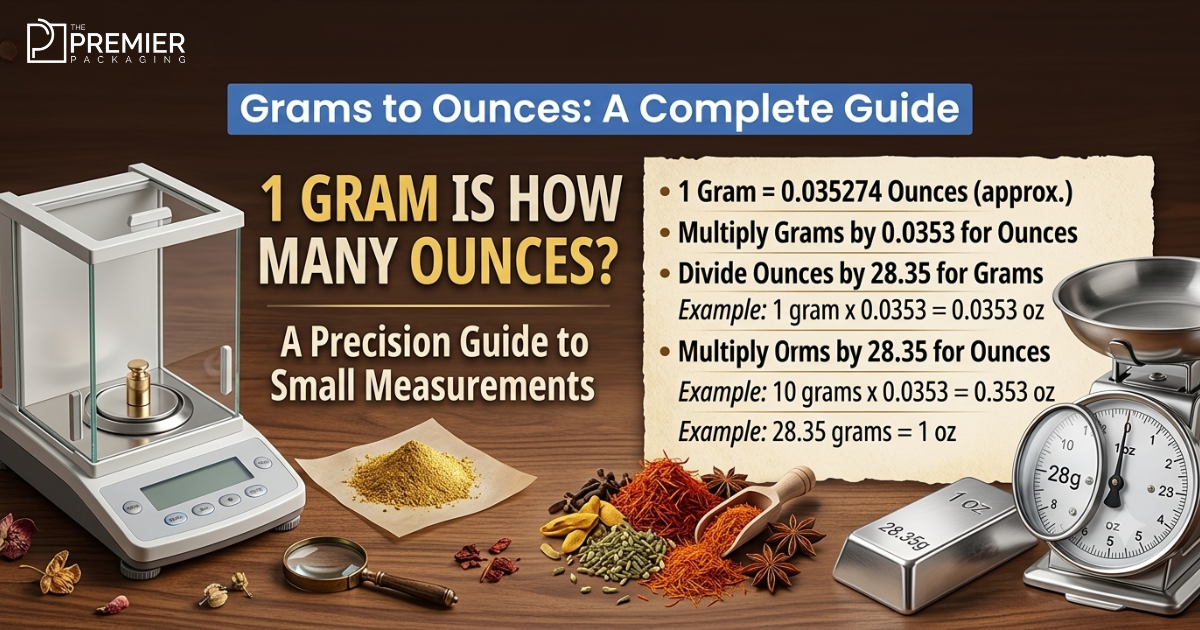
Since I know that’s what most people scrolled down here for: one ounce works out to about 28 grams, 28.35, to be exact, if you’re not just eyeballing it. Most of the time that rounding is fine. It stops being fine the moment you’re weighing gold, following a recipe that actually cares about precision, or trying to figure out what a product plus its box will weigh once it’s ready to ship.
You run into grams and ounces more than you’d think: kitchen scales, lab reports, shipping labels, the fine print on the back of a skincare bottle. Being able to flip between the two in your head, without hunting down a scale every time, saves more hassle than it sounds like it would. So here’s how the actual math works, and why it matters more in some contexts than others.
Metric vs. Imperial: Why We Ended Up With Two Systems
France gets the credit for the metric system, rolled out in the late 1700s and deliberately built around base-10 math so conversions wouldn’t be a headache; everything just scales by tens. That’s basically why it took over almost everywhere outside the US, and why grams, kilograms, and meters run the show in science and most of global trade today.
Imperial’s the older, messier one. Inches, feet, pounds, ounces, gallons units that came out of practical daily use over centuries rather than any tidy mathematical plan. The US still leans on it for most everyday purposes. The UK’s a bit of a mixed bag, technically metric on paper for decades now, but you’ll still hear people ordering a pint or talking about their weight in stone.
What Exactly Is an Ounce?
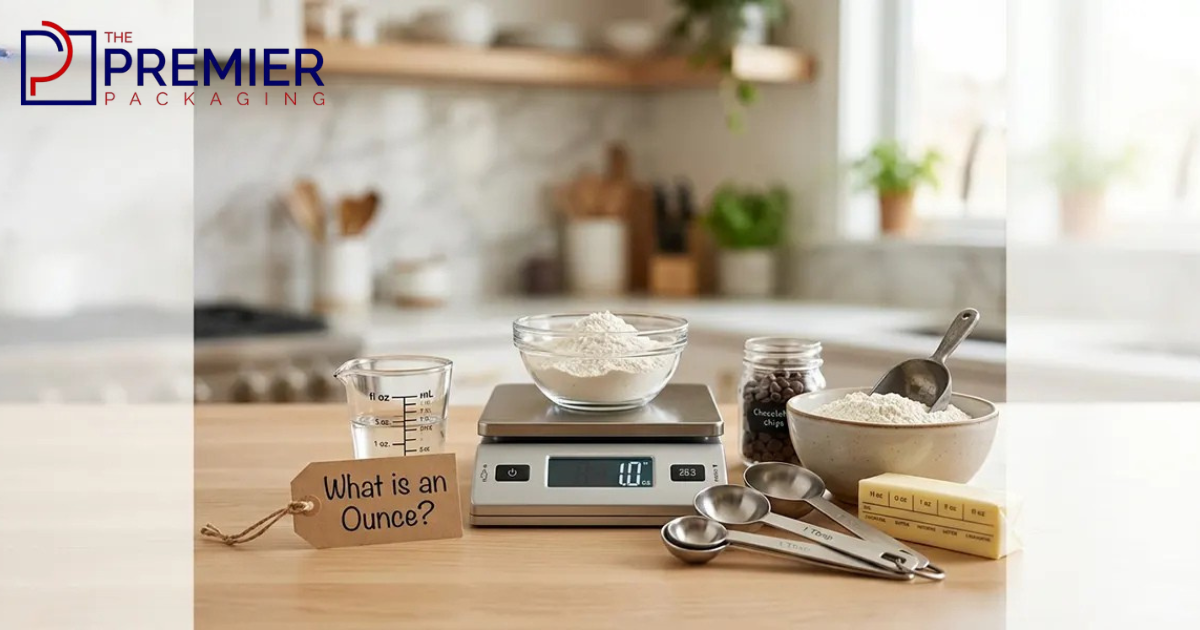
An ounce sits in the imperial system, used mainly in the US for weighing smaller quantities. There are actually two flavors worth knowing about, and mixing them up is a genuinely common mistake:
- Avoirdupois ounces what people mean by default in everyday conversation. Food, packaging, body weight, most general use.
- Troy ounces basically only used for precious metals like gold and silver.
They’re not the same weight, and it trips people up constantly. Avoirdupois comes in around 28.35 grams. Troy runs heavier, closer to 31.1 grams. Confuse the two while pricing gold and you’ll end up with a number that’s just plain wrong, not a little off.
What Exactly Is a Gram?
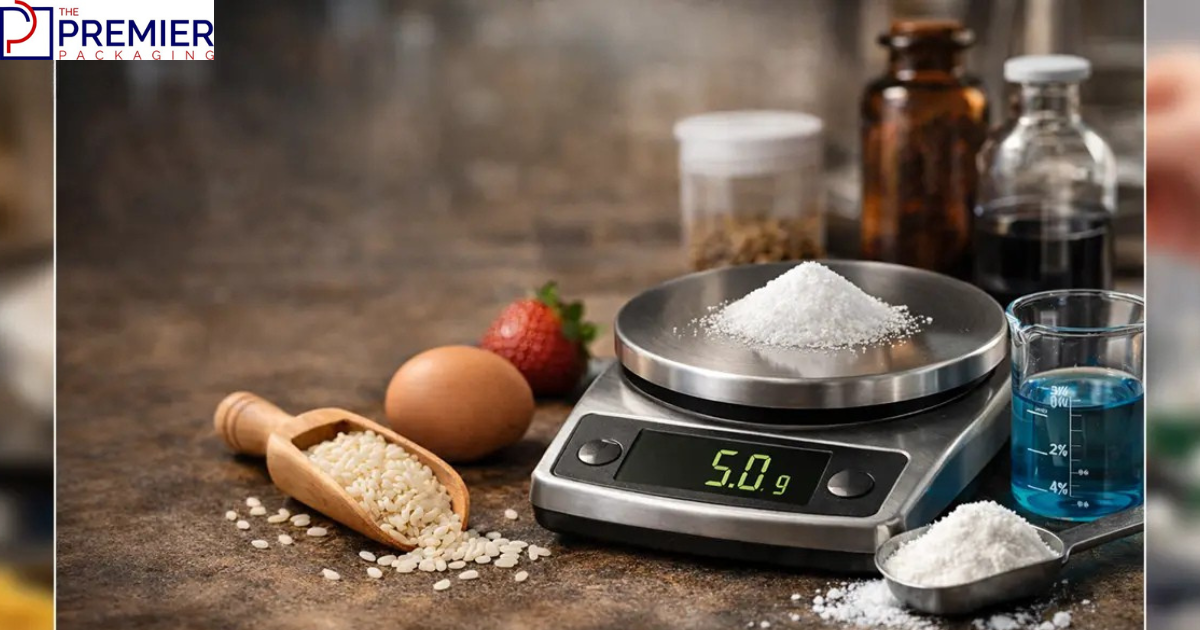
A gram belongs to the metric system the word itself comes from the French gramme, and it exists for measuring small amounts with real precision. That’s the whole reason chemists reach for grams instead of ounces, why serious bakers weigh flour rather than scoop it, and why manufacturers packaging small product quantities care about the gram figure specifically.
Grams vs. Ounces: The Core Difference
An ounce is the larger, imperial unit, used mostly in the US. A gram is the smaller, metric unit, used almost everywhere else, and preferred anywhere fine precision counts. As a fixed conversion: one ounce equals 28.3495 grams, and one gram equals about 0.0353 ounces.
Grams in an Ounce of Gold
Gold gets measured in troy ounces, not the standard avoirdupois ounce most people are used to. One troy ounce of gold equals 31.1035 grams. If you’re working from a gram figure and need the troy ounce equivalent, divide by 31.1035.
- 1 Troy Ounce of Gold = 31.1035 Grams
- 1 Gram of Gold = 0.03215 Troy Ounces
A standard avoirdupois ounce, by contrast, comes in at 28.35 grams — but that measurement doesn’t apply to gold or other precious metals, which is where a lot of confusion creeps in.
Converting Grams to Ounces
The formula: multiply your gram figure by 0.03527396.
Steps:
- Take the weight in grams.
- Multiply it by 0.03527396.
- That result is your weight in ounces.
Quick reference chart:
| Grams | Ounces |
|---|---|
| 15 g | 0.53 oz |
| 30 g | 1.06 oz |
| 60 g | 2.12 oz |
| 100 g | 3.53 oz |
| 150 g | 5.29 oz |
| 200 g | 7.05 oz |
| 300 g | 10.58 oz |
| 400 g | 14.11 oz |
| 500 g | 17.64 oz |
| 1000 g | 35.27 oz |
Converting Ounces to Grams
Going the other direction, the formula is: multiply ounces by 28.3495.
Steps:
- Take the weight in ounces.
- Multiply it by 28.3495.
- That result is your weight in grams.
How to Actually Measure Dry Weight
A digital kitchen scale is still the most reliable way to do this. Place your container on the scale, zero it out, then add your ingredient until the display shows the amount you need in grams.
Without a scale, cups and spoons work as a rough substitute — fill and level off the measure, then cross-reference against a conversion chart. It won’t be as exact as a scale, but for everyday cooking and baking, it’s usually close enough.
Why This Actually Matters Beyond the Kitchen
Weight isn’t just a cooking concern, not by a long shot. In packaging, especially for smaller products, even a gram or two of difference ends up affecting shipping cost, box structure, and material choice down the line. Cosmetics make this obvious pretty fast — a heavier glass bottle needs sturdier board and different cushioning than a lightweight plastic one, even when both are holding roughly the same amount of product.
This is basically where Customized Beauty Packaging becomes relevant. Knowing a product’s exact weight, down to the gram, is what actually determines the right box structure, insert design, and shipping classification before anything goes out the door. Sounds like a minor detail, but it quietly shapes a lot of decisions after it.
Mascara boxes are a decent example of this playing out in a real product. The tubes themselves are light, sure, but they’re also oddly shaped and fragile enough that packaging needs to account for exact weight and dimensions to keep them from shifting or cracking in transit. And that whole process starts with a gram figure that’s actually accurate, not just close enough.
Wrapping Up
Once you’ve got the formula memorized, converting grams to ounces (or back) stops being anything to think twice about a calculator does the math faster than flipping through a chart anyway. But outside the kitchen, accurate weight measurement genuinely shapes how packaging gets designed, whether that’s for food, supplements, or something as small as a beauty product. If getting packaging weight-appropriate is part of what you’re sorting out, it’s the kind of thing worth nailing down early rather than adjusting later after a shipment shows up damaged.
Frequently Asked Questions
How many grams are in an ounce?
One avoirdupois ounce equals approximately 28.35 grams.
What’s the difference between an avoirdupois ounce and a troy ounce?
An avoirdupois ounce (28.35 grams) is used for everyday items like food and packaging. A troy ounce (31.1035 grams) is reserved for precious metals like gold and silver.
How many grams are in an ounce of chocolate?
Chocolate is measured using the standard avoirdupois ounce, so one ounce equals about 28.35 grams.
What is a troy ounce?
A troy ounce is a unit of weight used specifically for precious metals, equal to 31.1035 grams — heavier than the standard avoirdupois ounce.
How many grams are in an ounce of liquid?
This depends on the liquid’s density, since fluid ounces measure volume, not weight. As a rough approximation for water, one fluid ounce is close to 29.57 grams, though this varies by substance.
How many grams are in an ounce of food?
Most solid food is measured in avoirdupois ounces, where one ounce equals approximately 28.35 grams, though the exact figure can shift slightly depending on the food’s density and moisture content.